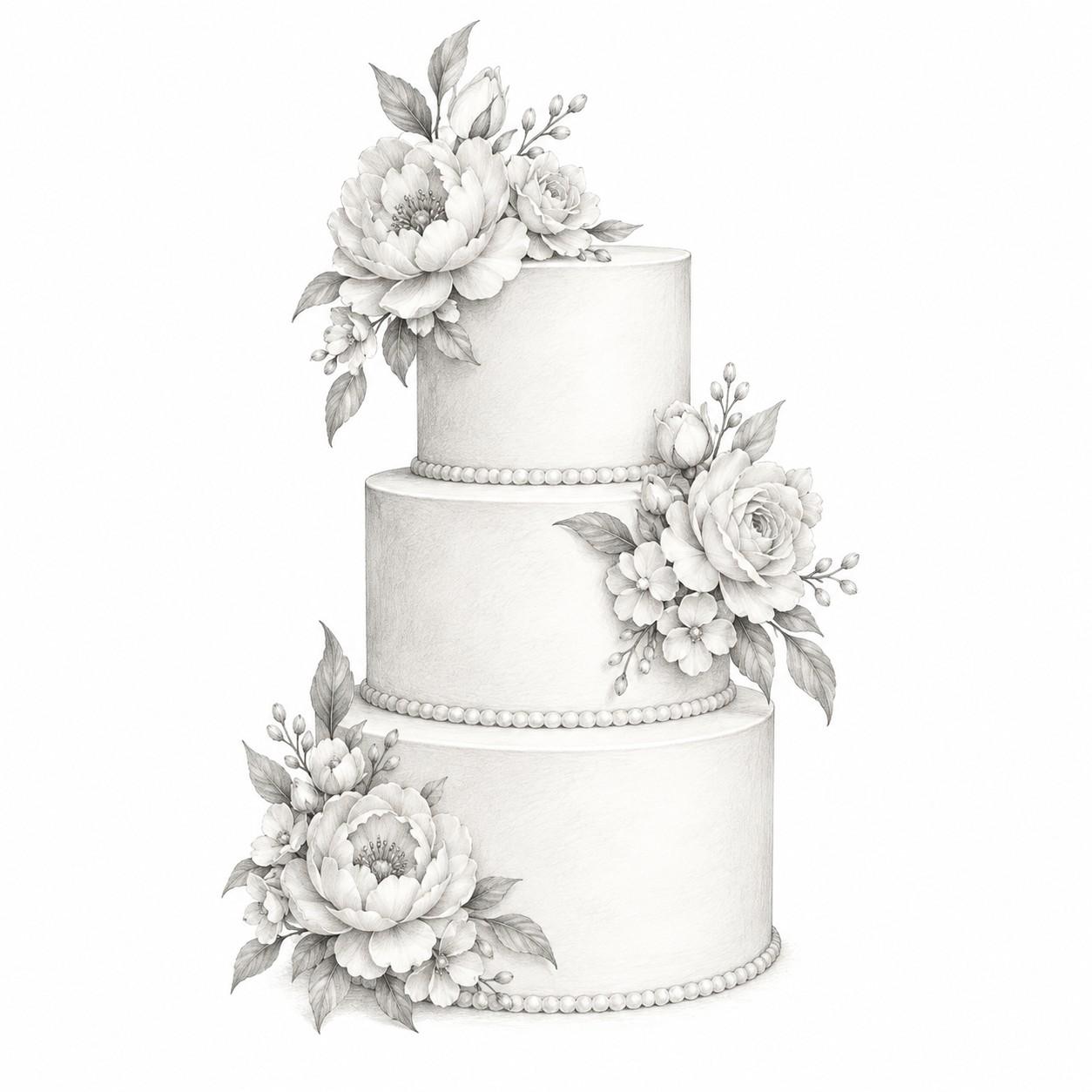
How to photograph wedding cakes like a pro. Side lighting at 45 degrees, best lenses, cake cutting settings, working with bakers, and shooting alternative dessert displays.
When is the best time to photograph the wedding cake?
Right after the room flip and before guests enter the reception. The cake is pristine, the lighting can be controlled, and you have unobstructed access.
The ideal window is during cocktail hour when the reception room is fully set up but empty. The cake hasn't been bumped, the table is clean, and you can take your time with lighting and angles. If the venue does a room flip, ask your coordinator for 5-10 minutes alone in the space before doors open. Second best: shoot it during dinner when guests are seated and the cake area is clear.
What lens is best for wedding cake photography?
A 50mm f/1.8 for full cake shots with creamy bokeh, and a 100mm macro for fondant details, sugar flowers, and monogram close-ups.
The 50mm f/1.8 at about 4-6 feet gives you the full cake with a beautifully blurred background at f/2.0-2.8. For detail shots of sugar work, hand-painted elements, or cake toppers, switch to a 100mm macro (or 90mm Tamron) and shoot at f/4 for sharpness across the decoration. A 35mm works in tight spaces but distorts tall tiered cakes. Avoid ultra-wide lenses as they make cakes look oddly proportioned.
How do I light a wedding cake without on-camera flash?
Place an off-camera speedlight at 45 degrees to one side, bounced off a white wall or through a diffusion panel. This creates dimension and highlights texture.
Side lighting at about 45 degrees is the gold standard for cake photography. If no wall is nearby for bounce, use a small softbox or shoot-through umbrella on a light stand. Keep the light slightly above cake height to avoid harsh shadows at the base. For buttercream cakes, softer light prevents hotspots on the shiny surface. For matte fondant, you can use slightly harder light to emphasize texture. Window light works beautifully if the cake is positioned near one.
How do I photograph the cake cutting moment?
Use f/2.8, 1/200th shutter speed, with bounce flash from behind you. Focus on hands and faces, not just the cake. Be ready for the feeding moment.
The cake cutting happens fast. Pre-set your exposure: f/2.8 gives enough depth of field for both people, 1/200th freezes the cutting motion, and bounce flash from the ceiling fills the scene evenly. Position yourself at a 45-degree angle to see both faces and the cake. Shoot continuously from the first cut through the feeding moment. The real money shot is the expression when they feed each other, not the knife going in.
Should I photograph alternative dessert displays like donut walls?
Absolutely. Dessert displays are some of the most shared reception detail shots on social media. Treat them with the same care as a traditional cake.
Donut walls, macaron towers, cookie bars, and dessert tables deserve real attention. Shoot the full display first while it's untouched, then get close-ups of individual items. The key is making the food look appetizing: side light to show texture, shoot slightly above eye level for flat displays, and include some of the surrounding decor for context. If there's a traditional cake alongside alternatives, photograph them both individually and together as part of the overall dessert spread.